
Cigarettes
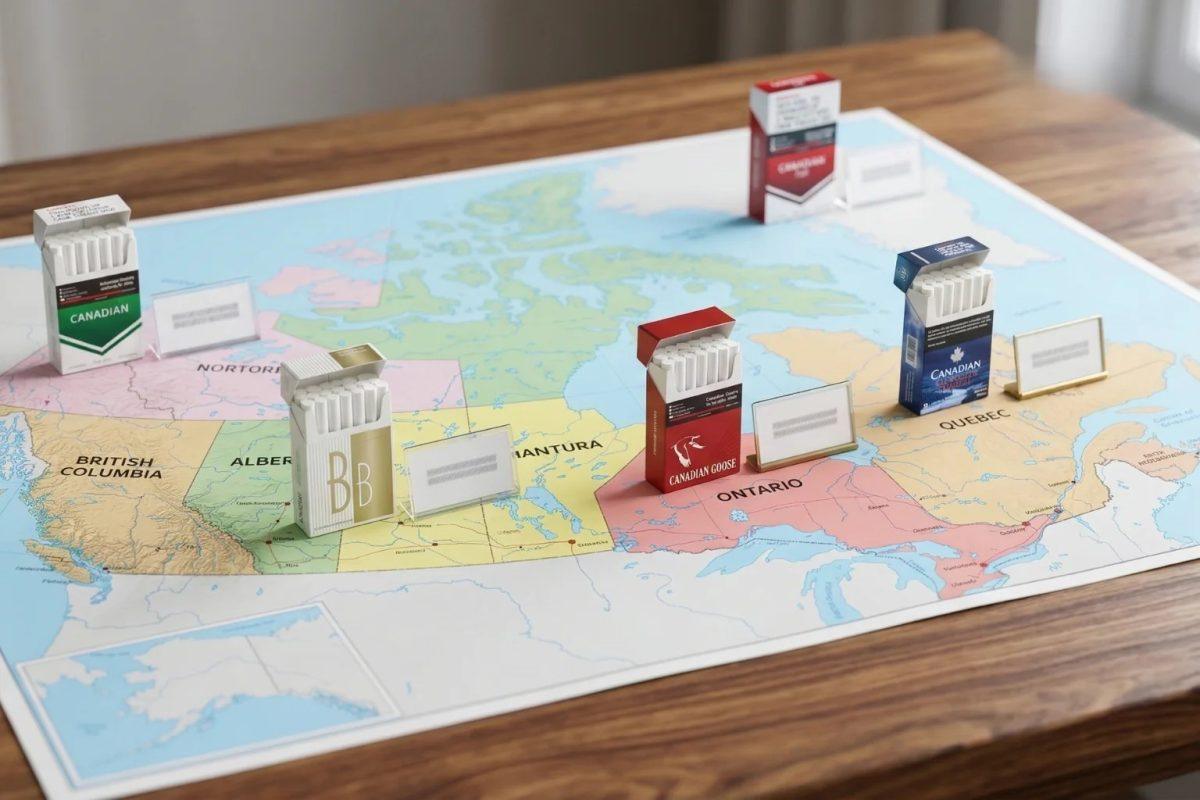
Cigarette Prices by Province in Canada (2026 Guide)
Jun
Understanding how much Cigarette Prices by Province in Canada vary can be incredibly frustrating for everyday consumers.
If you’ve ever bought cigarettes in different parts of Canada, you’ve probably noticed the price isn’t the same everywhere.
A carton purchased in Quebec often costs much less than one bought in British Columbia. In northern communities, prices can climb even higher. These differences aren’t accidental. They result from a mix of taxes, transportation costs, retail expenses, and government regulations.
In 2026, smokers across Canada continue to face rising tobacco prices. While most cartons cost between CAD $110 and $180, the amount you pay depends heavily on where you live and which brand you choose.
Cigarette prices in Canada range from roughly CAD $110 to over $200 per carton in 2026, depending on the province or territory. Quebec, Alberta, Saskatchewan, and Manitoba generally have lower cigarette prices, while British Columbia, Newfoundland and Labrador, and Canada’s northern territories tend to have the highest prices due to higher tobacco taxes, transportation costs, and regional market factors.
Cigarette Prices by Province in Canada (2026)
| Province / Territory | Estimated Carton Price Range (CAD) | Relative Price Level |
|---|---|---|
| Quebec | $110–$130 | Lower |
| Alberta | $115–$135 | Lower |
| Saskatchewan | $115–$140 | Lower |
| Manitoba | $120–$145 | Lower to Mid |
| Ontario | $130–$160 | Mid |
| New Brunswick | $135–$165 | Mid |
| Prince Edward Island | $140–$170 | Mid to High |
| Nova Scotia | $145–$175 | High |
| Newfoundland and Labrador | $150–$180+ | High |
| British Columbia | $145–$180+ | High |
| Yukon | $150–$185+ | High |
| Northwest Territories | $155–$190+ | High |
| Nunavut | $160–$200+ | Very High |
Prices vary by retailer, brand, local taxes, and market conditions.
What Is the Average Price of Cigarettes in Canada?
If you’ve ever bought cigarettes in different parts of Canada, you’ve probably noticed the price isn’t the same everywhere.
A carton purchased in Quebec often costs much less than one bought in British Columbia. In northern communities, prices can climb even higher. These differences stem from a combination of federal taxes, provincial tobacco taxes, transportation costs, retail markups, and government regulations.
In 2026, the average carton of cigarettes in Canada typically costs between CAD $110 and $200+, depending on the province, territory, retailer, and brand.
Most smokers now pay well over $100 per carton regardless of where they live.
Average Cigarette Pack Prices by Province
Many smokers purchase cigarettes by the pack rather than by the carton.
Estimated average pack prices in 2026 include:
| Province | Average Pack Price |
|---|---|
| Quebec | $13–$15 |
| Alberta | $15–$17 |
| Saskatchewan | $15–$17 |
| Manitoba | $15–$18 |
| Ontario | $15–$18 |
| British Columbia | $18–$20 |
| Nova Scotia | $19–$21 |
| Newfoundland & Labrador | $20–$23 |
| Nunavut | $20–$24+ |
Pack prices generally follow the same pattern as carton prices. Provinces with higher tobacco taxes usually have higher pack prices as well.
Why Do Cigarette Prices Vary Across Canada?
Many smokers notice significant price differences when travelling between provinces.
The same carton purchased in Montreal can cost substantially less than one purchased in Vancouver. Smokers visiting northern communities often face even higher prices.
Several factors influence the final retail price:
- Federal excise duties
- Provincial tobacco taxes
- GST, PST, and HST
- Transportation expenses
- Distribution costs
- Retail operating expenses
- Brand positioning
- Regulatory compliance costs
Among these factors, provincial tobacco taxation remains the largest contributor to regional price differences.
Which Province Has the Cheapest Cigarettes?
Historically, Quebec has ranked among the least expensive provinces for legal cigarette purchases.
Other provinces often associated with lower cigarette prices include:
- Quebec
- Alberta
- Saskatchewan
- Manitoba
These provinces generally maintain lower tobacco tax burdens than many coastal provinces, helping keep retail prices lower.
Annual budget changes and tax increases can shift rankings from year to year.
Which Province Has the Most Expensive Cigarettes?
British Columbia and Newfoundland and Labrador frequently rank among the most expensive provinces for cigarette purchases.
Northern territories often exceed provincial averages due to transportation and supply-chain challenges.
Regions commonly associated with higher cigarette prices include:
- British Columbia
- Newfoundland and Labrador
- Nova Scotia
- Yukon
- Northwest Territories
- Nunavut
Remote communities often experience prices above territorial averages.
The Biggest Reason Prices Differ: Provincial Tobacco Taxes
Provincial tobacco taxes account for most of the price variation seen across Canada.
Governments use tobacco taxation for several reasons:
- Reducing smoking rates
- Discouraging youth smoking
- Generating public revenue
- Offsetting healthcare costs associated with tobacco use
Because every province sets its own tax structure, identical cigarette products often carry very different retail prices.
Example
Consider two smokers purchasing the same premium carton.
Smoker A
- Lives in Alberta
- Lower provincial tobacco taxes
- Pays a lower retail price
Smoker B
- Lives in British Columbia
- Higher provincial tobacco taxes
- Pays a higher retail price
The product remains identical. The taxation structure creates the price difference.
Federal Excise Duty and Its Impact on Prices
Every legal cigarette sold in Canada includes federal excise duty.
Unlike provincial tobacco taxes, federal excise duty applies nationwide. The federal government periodically increases these duties to account for inflation and public health objectives.
Because federal excise duty applies equally across Canada, it raises prices nationally but does not create provincial differences by itself.
Those differences emerge after provinces apply their own tobacco taxes.
How Sales Taxes Affect Cigarette Prices
In addition to tobacco-specific taxes, smokers also pay standard consumption taxes.
Depending on the province, these include:
- GST
- PST
- HST
These taxes increase the final retail price and contribute further to regional differences.
A province with both higher tobacco taxes and higher sales taxes will generally have more expensive cigarettes than a province with lower rates.
Why Cigarettes Cost More in Northern Canada
Northern regions face unique challenges.
Products often travel much greater distances before reaching retailers. Weather conditions, limited transportation infrastructure, seasonal shipping windows, and lower population density increase costs throughout the supply chain.
As a result, smokers in Nunavut, Yukon, and the Northwest Territories frequently encounter some of the highest cigarette prices in Canada.
Transportation and Distribution Costs
Taxes receive most of the attention, but transportation costs also influence pricing.
Additional costs arise from:
- Long-distance shipping
- Fuel expenses
- Warehousing
- Regional distribution networks
- Inventory management
These expenses are ultimately reflected in retail prices.
Popular Cigarette Brands in Canada
Common cigarette brands include:
Pricing varies between brands even within the same province.
How Brand Choice Affects Price
Not every cigarette brand costs the same.
Premium brands typically command higher prices because of:
- Brand recognition
- Consumer demand
- Product positioning
- Manufacturing costs
Value brands compete more aggressively on affordability.
As a result, two smokers shopping in the same store can pay noticeably different amounts depending on the brand they choose.
Historical Timeline: Why Cigarette Prices Keep Rising
Cigarette prices in Canada have followed a steady upward trend for more than two decades.
Early 2000s
Gradual increases in federal and provincial tobacco taxes.
2010–2015
Expanded tobacco-control measures and higher excise taxes.
2017
Additional restrictions on flavored tobacco products.
2019–2020
Plain packaging regulations became fully implemented.
2021–2025
Continued tax increases and inflation adjustments.
2026
Updated excise duties and ongoing provincial tax revisions continue pushing prices higher.
How Tobacco Regulations Affect Cigarette Prices
Canada maintains some of the strictest tobacco regulations in the world.
Regulatory cost drivers include:
- Plain packaging requirements
- Mandatory health warnings
- Manufacturing compliance standards
- Product tracking requirements
- Retail licensing obligations
Taxes remain the dominant factor, but compliance expenses contribute to long-term price growth.
Inflation and Long-Term Price Growth
Inflation affects tobacco products in the same way it affects other consumer goods.
Price increases stem from:
- Higher labour expenses
- Rising transportation costs
- Packaging material costs
- Supply-chain pressures
- General inflation
Tax increases often amplify these inflationary effects.
Cigarette Affordability in Canada
Price alone does not tell the whole story.
Public health researchers often evaluate cigarette affordability, which considers both cigarette prices and income levels.
As governments continue increasing tobacco taxes, cigarette affordability generally declines over time, even when income levels rise.
Real-World Example of Provincial Price Differences
To understand how pricing works in practice, consider two smokers buying the same carton of cigarettes.
Smoker A – Alberta
- Lower provincial tobacco taxes
- Lower retail price
- Lower overall tax burden
Smoker B – British Columbia
- Higher provincial tobacco taxes
- Higher retail price
- Higher overall cost
The product is identical.
The difference comes primarily from taxation and regional pricing structures.
Common Myths About Cigarette Prices in Canada
Myth #1: All Cigarettes Cost the Same Across Canada
False.
Provincial taxes create significant pricing differences. The same brand often costs substantially more in one province than another.
Myth #2: Taxes Are the Only Reason Prices Increase
False.
Taxes are the largest factor, but transportation costs, inflation, regulatory compliance, and retailer expenses also influence pricing.
Myth #3: Premium Brands Cost the Same Everywhere
False.
Premium brands often vary in price across provinces due to local taxation and distribution costs.
Myth #4: Northern Prices Are High Only Because of Taxes
False.
Transportation, logistics, freight expenses, and supply-chain challenges also contribute significantly to northern pricing.
Myth #5: Cigarette Prices Stop Rising Once Taxes Stabilize
False.
Inflation and operating expenses continue pushing prices upward even during periods of stable taxation.
What Will Happen to Cigarette Prices in the Future?
Several trends suggest continued price increases:
- Annual tobacco tax reviews
- Federal excise duty adjustments
- Inflationary pressure
- Public health policy goals
- Rising compliance costs
- Distribution cost increases
While the pace of increases varies, the long-term trend remains upward.
Frequently Asked Questions
Why are cigarettes more expensive in some provinces?
Provincial tobacco taxes differ across Canada. Provinces with higher tobacco tax rates generally have higher retail cigarette prices.
Which province has the cheapest cigarettes?
Quebec is often among the least expensive provinces, followed by Alberta, Saskatchewan, and Manitoba.
Which province has the most expensive cigarettes?
British Columbia, Newfoundland and Labrador, and Canada’s northern territories frequently rank among the most expensive regions.
Why are cigarettes so expensive in Canada?
High federal taxes, provincial tobacco taxes, strict regulations, and inflation all contribute to higher prices.
Do all cigarette brands cost the same?
No. Premium brands generally cost more than value brands.
Why are cigarettes more expensive in northern Canada?
Transportation costs, freight expenses, limited supply routes, and remote geography increase retail prices.
How much is a carton of cigarettes in Canada?
Most legal cartons cost between CAD $110 and $200+, depending on province and brand.
How much is a pack of cigarettes in Canada?
Most packs cost between CAD $13 and $23, depending on province and retailer.
Will cigarette prices continue to rise?
Current taxation, inflation, and regulatory trends suggest continued long-term price growth.
Key Takeaways on Cigarette Prices by Province in Canada
- Provincial tobacco taxes are the primary reason cigarette prices vary across Canada.
- Federal excise duties apply nationwide but do not create regional differences.
- Carton prices typically range from CAD $110 to over $200.
- Quebec, Alberta, Saskatchewan, and Manitoba often have lower prices.
- British Columbia and northern territories typically have higher prices.
- Transportation and distribution costs significantly affect remote regions.
- Regulatory compliance and inflation contribute to long-term increases.
- Premium brands generally cost more than value brands.
- Cigarette prices are expected to continue rising.
Related Resources
- Cigarette Prices in Canada Explained
- Cheapest Provinces for Tobacco in Canada
- Tobacco Taxes by Province in Canada
- Can You Buy Cigarettes Online in Canada?
- Canadian Tobacco Laws Explained for Consumers
- Federal Tobacco Excise Duty Explained
Sources & References
- Government of Canada – Excise Duty on Tobacco Products https://www.canada.ca/en/revenue-agency/services/tax/excise-taxes-duties-and-levies/excise-duty-tobacco-products.html
- Health Canada – Smoking and Tobacco https://www.canada.ca/en/health-canada/services/smoking-tobacco.html
- Statistics Canada – https://www.statcan.gc.ca
- Government of Canada – Cigarette Affordability in Canadian Provinces https://www.canada.ca/en/public-health/services/reports-publications/health-promotion-chronic-disease-prevention-canada-research-policy-practice/vol-41-no-10-2021/cigarette-affordability-canadian-provinces-10-year-review.html
- Canadian Cancer Society – Tobacco Taxes and Pricing https://cancer.ca
Last Updated: June 2026
Information on this page is reviewed regularly to reflect changes in tobacco taxation, federal excise duties, provincial regulations, and retail pricing trends. Because cigarette prices can change throughout the year, readers should verify current local prices before making purchasing decisions.